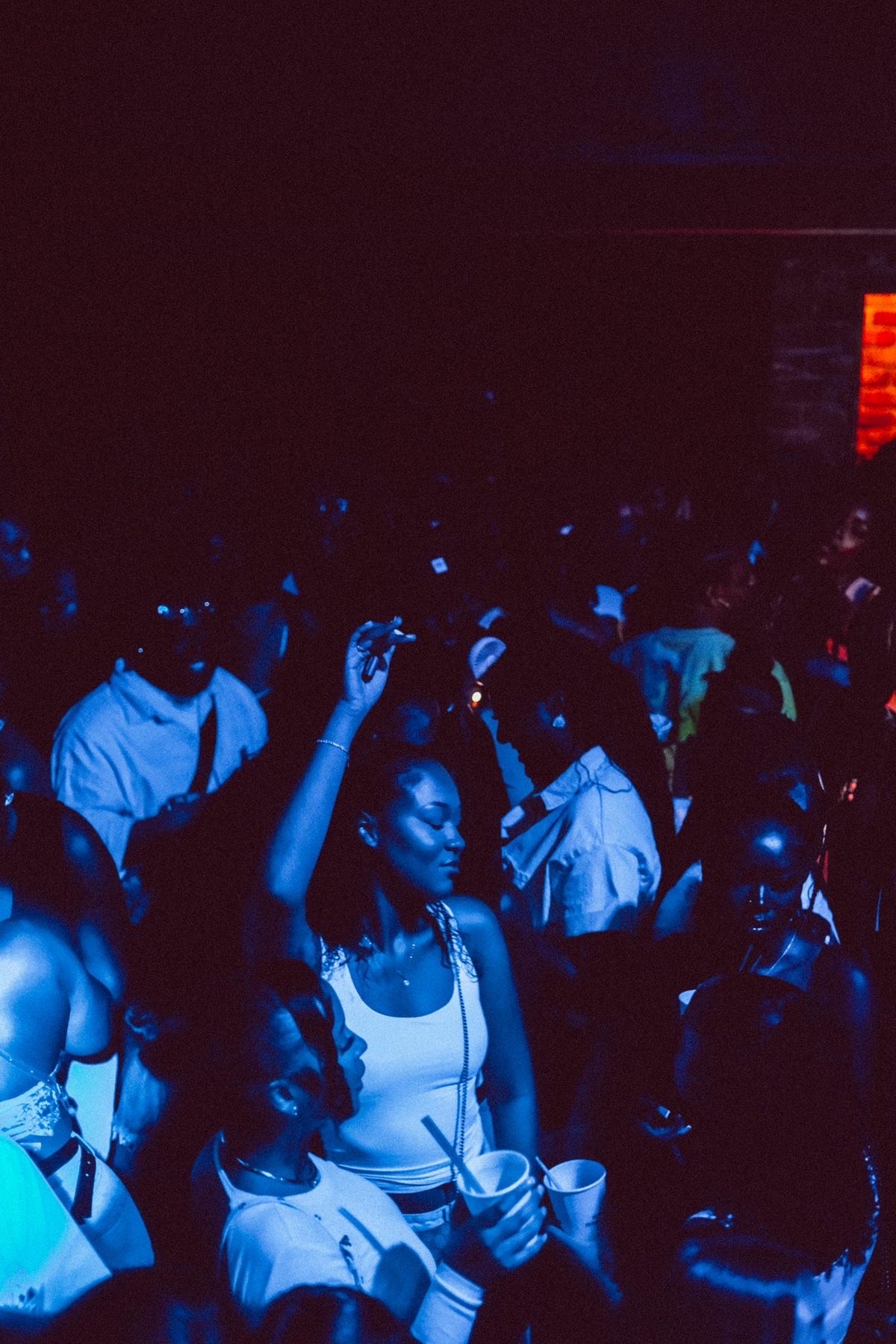

If you’ve opened Instagram or X (formerly Twitter) in the past year, you’ve likely seen a relentless stream of event flyers glowing with neon typography, industrial graphics, and one word plastered in all caps across the center: RAVE.
It’s easy to see why organizers are leaning so heavily into the label. Nightlife across Nigeria is undergoing a massive, beautiful shift. In cities like Lagos, Abuja, Port Harcourt and Ibadan, the rave movement has taken a deep root. People (me especially) are exhausted by traditional club dynamics; tired of paying exorbitant prices to sit in a cramped VIP booth, hypemen screaming a bunch of jargon and absurd statements all in the name of hype/lamba, clutching an overpriced bottle of spirits and standing on sofas while staring at their phones just to aura farm. While its supposedly a thriving showbiz in the nightlife ecosystem, in its place, a vibrant counter-culture has exploded: one built on sweat, community, sonic experimentation, and uninhibited freedom.
However, as the movement gets swallowed by mainstream commercialism, a frustrating double tragedy has unfolded: promoters are co-opting the “rave” label for standard club nights, while simultaneously erasing the very pioneers who built the culture from the ground up.
It’s time to call it what it is: stop calling every event a rave, and start respecting where the movement actually came from.
The Origins: Built by and for the Queer Community
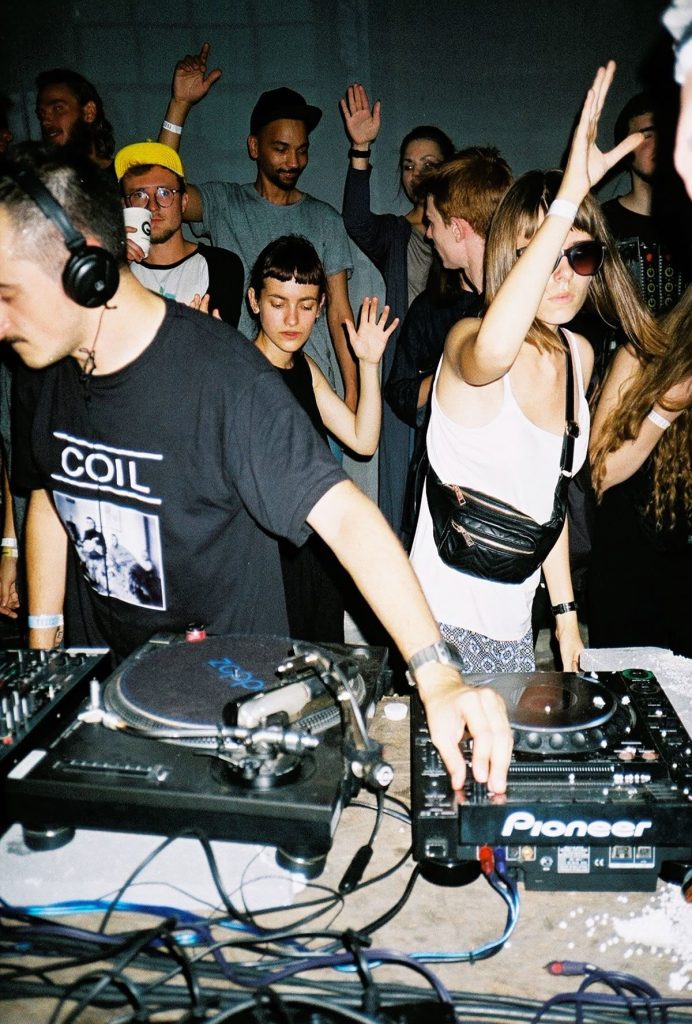
You cannot talk about rave culture globally or locally yeah, without centering the queer community.
Historically and culturally, raves were never birthed as generic, high-energy commercial cash grabs. They were forged out of necessity. Raves were pioneered, sustained, and dominated by queer, marginalized people who needed spaces of absolute sanctuary, places where they could exist, express their identity, and dance without fear of violence, judgment, or policing. From the underground house and techno basements of Chicago, Detroit, and New York to the sanctuary dance floors across West Africa, the bedrock of rave culture has always been radical inclusivity, safety, and queer freedom.
In cities like Lagos, the early underground rave scenes offered that exact haven. They were spaces where bodily autonomy and expressionalism weren’t just welcomed; they were the entire point.
You May Also Like: Lucky Yay! Release Debut Double Single “ Wizel Is Lucky”
Yet, as mainstream nightlife has rushed to commodify the “aesthetic” of raves, we’re witnessing a glaring pattern: the erasure and sidelining of the queer creators, DJs, and ravers who built the scene. Mainstream promoters happily capitalize on the sonic innovations, fashion, and energy pioneered by queer culture, but as soon as the event goes commercial, those same communities are pushed to the fringes, unacknowledged, or outright excluded to cater to “palatable” mainstream crowds.
You cannot borrow the aesthetic of a sanctuary while stripping away the very people who created it. A party that isn’t safe or inclusive for the marginalized isn’t a rave, it’s just a crowded room…or just another party.
The Shift: Why the Mainstream Stole the Buzzword
To understand why the term is being hijacked, you have to look at why mainstream clubbing failed young people in the first place.
For years, nightlife in major hubs like Lagos and Abuja was defined by rigid class hierarchies and performative status. Clubs were less about the music and more about who was spending the most, who had the best section, and who could look the coolest while standing motionless on camera.
The rise of authentic rave culture in Lagos, Abuja, and Port Harcourt shattered that framework. Young people flocked to spaces where class distinctions dissolved on the dance floor and the music whether high-BPM electronic cuts, Afro-house, amapiano, or experimental club beats took center stage.
Promoters saw this shift and realized “rave” was the ultimate marketing buzzword to attract a crowd hungry for novelty. But instead of adopting the ethos of a rave, they simply rebranded the same tired club nights.
What Mainstream “Raves” Get Wrong
Slapping the word “rave” on a flyer does not automatically make your event one. Right now, the market is flooded with pop-up lounge parties, open-air concerts, and standard bottle-service nights passing themselves off as raves. When a word gets profitable, it gets vague. Dilution is the cleanest form of erasure, and the easiest form of control.
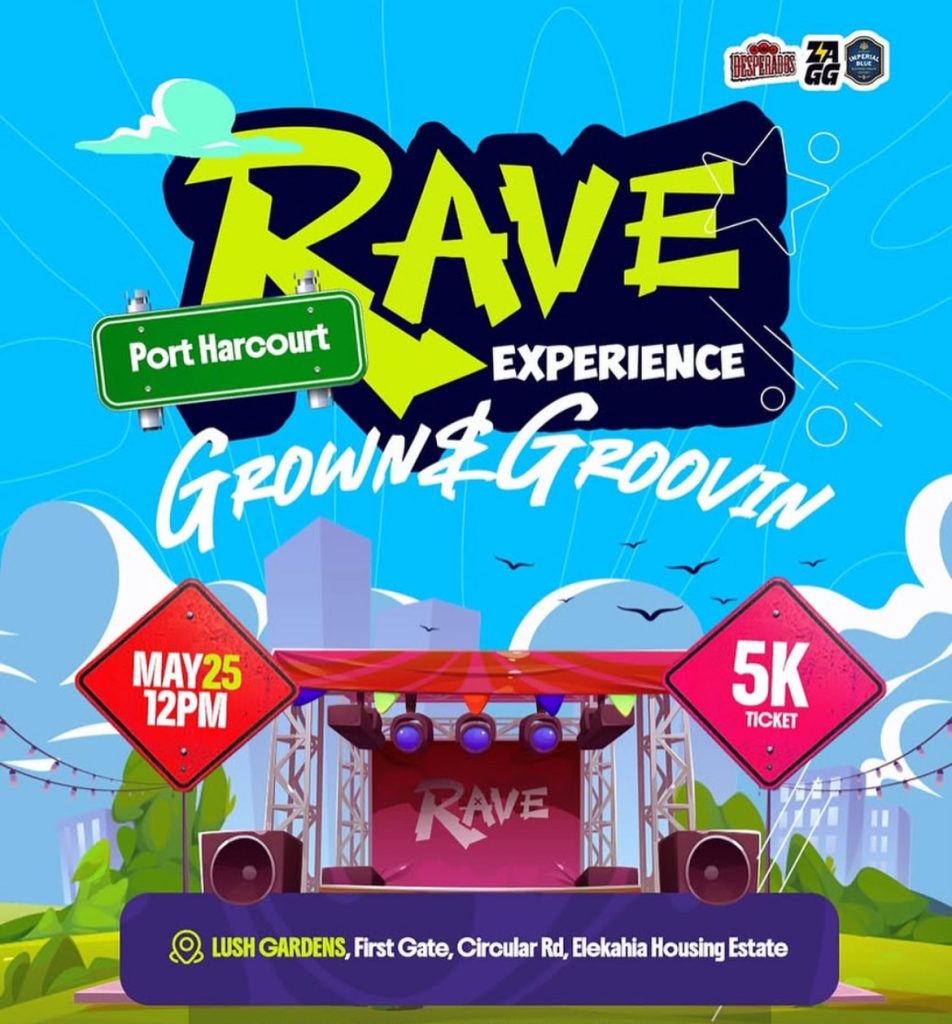
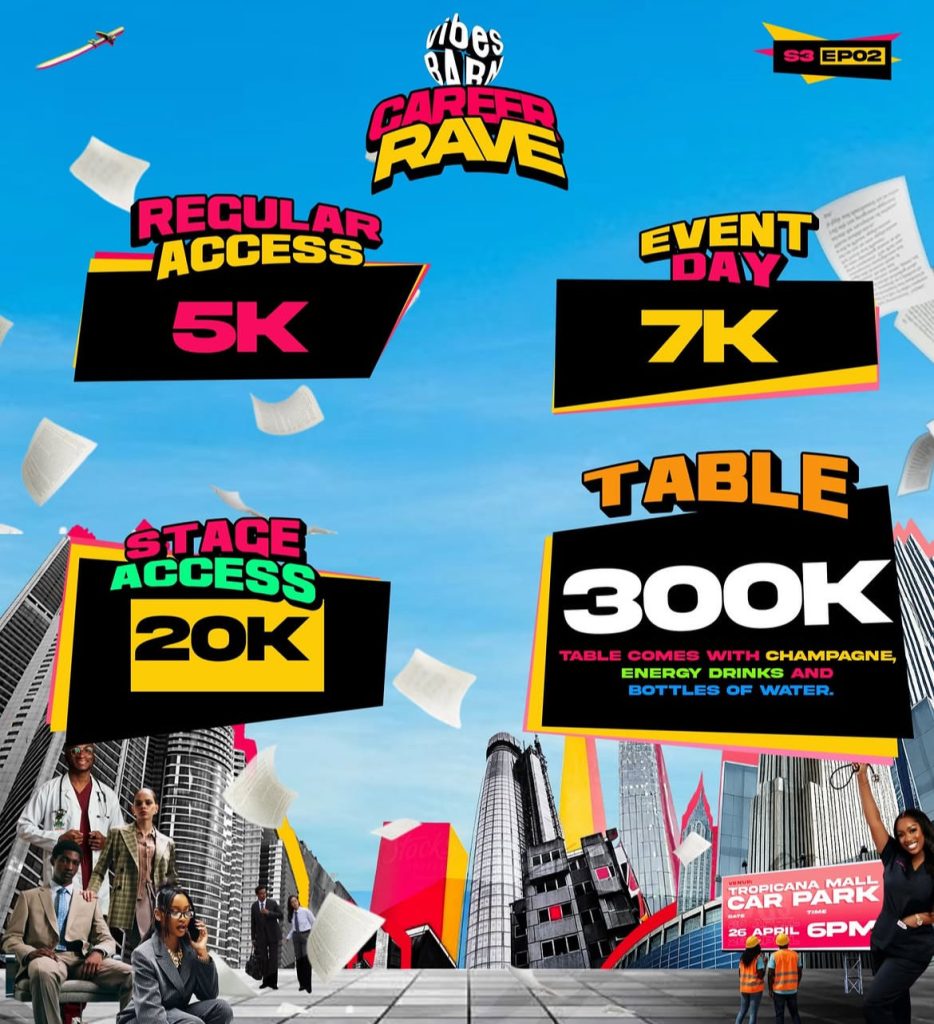
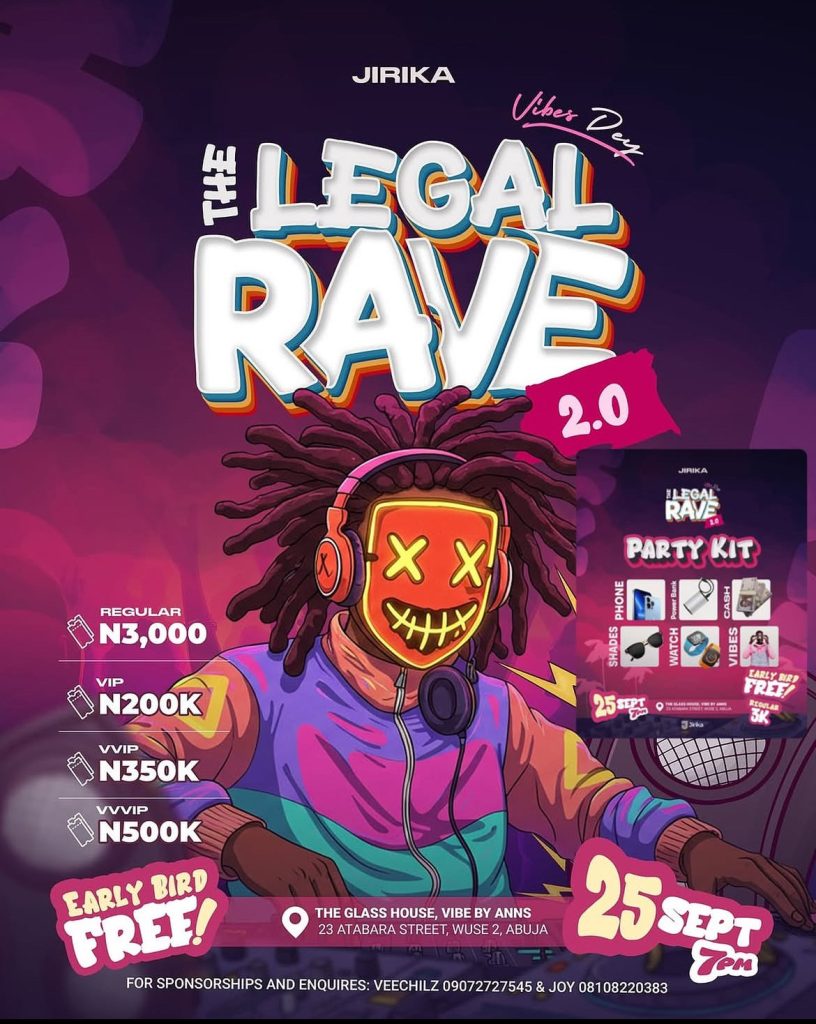
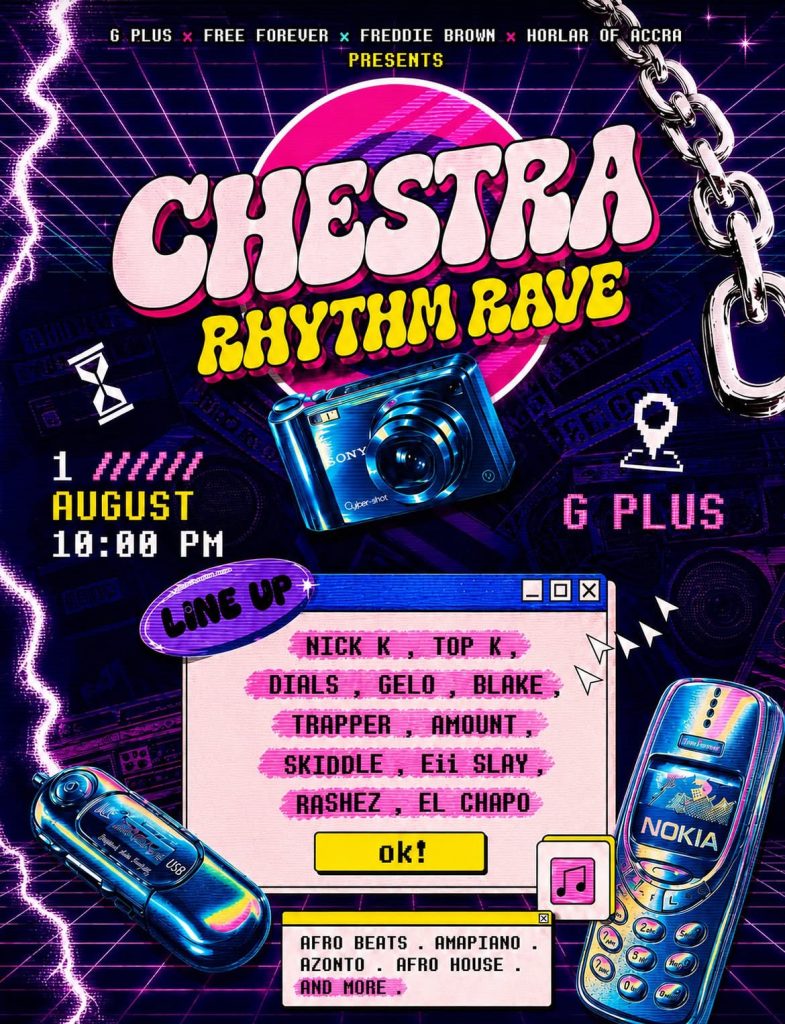
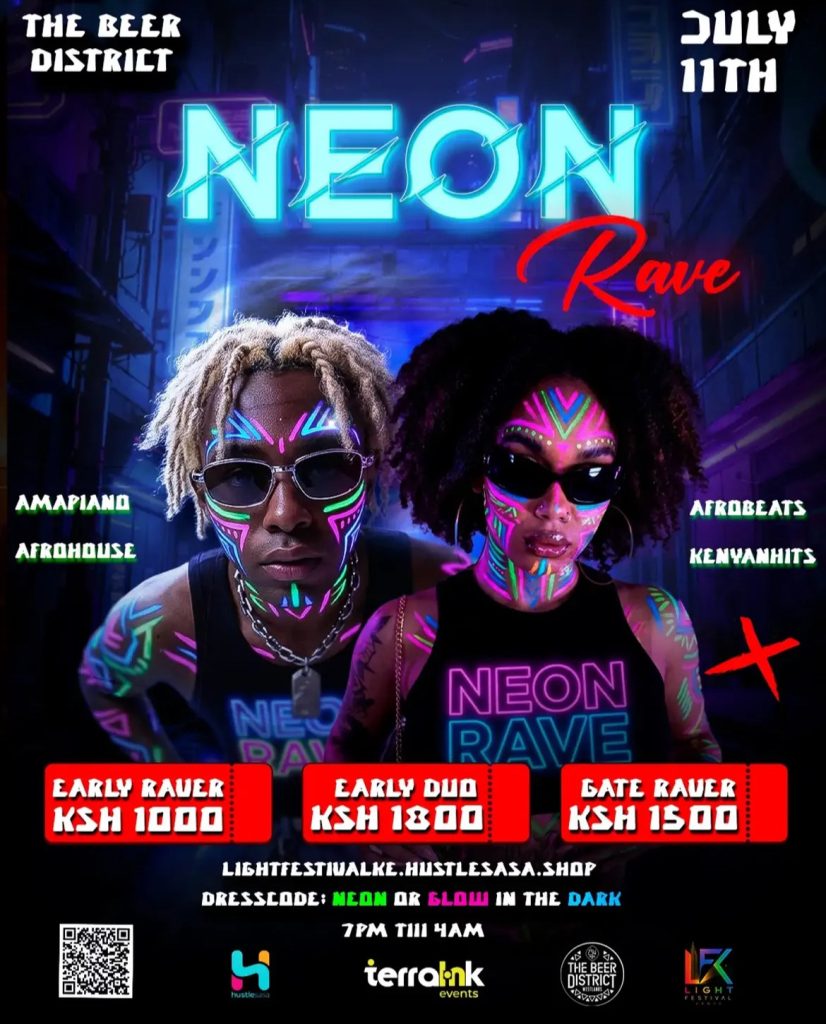
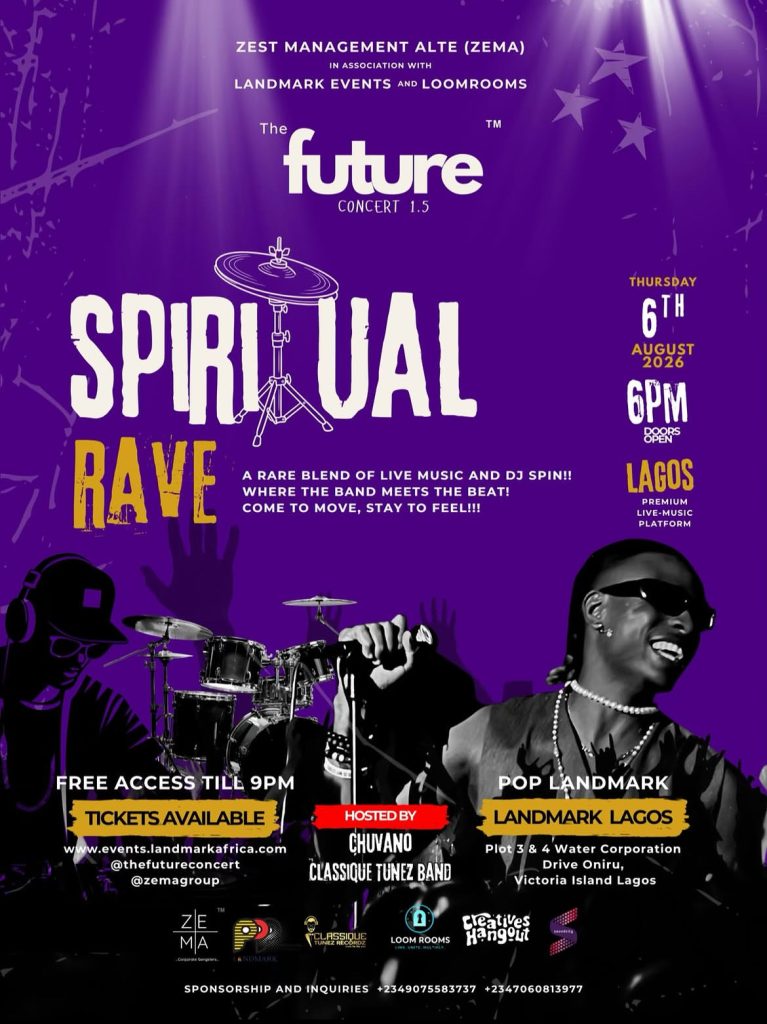
If your event features:
- A massive VIP section taking up three-quarters of the space,
- Profit centered and actively promotes the sales of alcohol/drinks/merchandise
- Security guards shoving people aside to clear a path for bottle-service sparklers/girls,
- A crowd standing still recording content instead of losing themselves in the music,
- An environment that isn’t actively safe and welcoming for queer and gender-nonconforming people,
…then you are hosting a standard commercial party. And that’s fine, but just stop calling it a rave.
Reclaiming the Meaning
Calling this out isn’t gatekeeping for the sake of elitism; it’s about cultural integrity. A real rave demands specific, uncompromising conditions:
- Music as the Core: The DJ setlist should be the main attraction and the curators who guide a collective physical experience.
- Open Dance Floor: No VIP hierarchies, no elitist barriers. Everyone shares the same space, sound, and sweat.
- Acknowledgement & Inclusivity: Honoring the roots of the movement means ensuring that the queer community isn’t just an afterthought or an aesthetic reference, but an active, respected, and protected part of the space.
Respect the Culture
There is nothing wrong with hosting a high-end club night, or a massive concert. Those events serve their purpose in the broader ecosystem of African nightlife.
However, organizers need to respect the history and subcultures they draw inspiration from. You cannot profit off the energy of a movement while erasing its history, sidelining its founders, and watering down its purpose.
The rave movement across Nigeria and beyond fought hard to build spaces rooted in freedom, inclusivity, and real musical appreciation. Let’s not let corporate buzzwords dilute what makes it special.
Stop Calling Every Party a Rave