
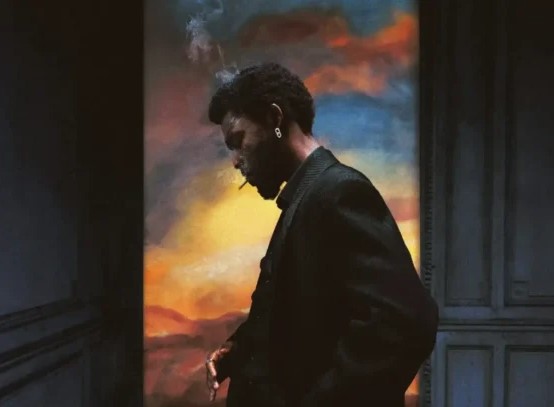

Four years between albums is a geological epoch in the hyper-velocity of Afrobeats, and Stanley Omah Didia spent most of that time watching his carefully laid plans collapse into ash. Boy Alone (2022) was a monolith of loneliness and substance-numbed nights that somehow scaled the charts, earned a Justin Bieber co-sign, and eventually filtered into Grammy conversations. The follow-up sophomore album (Clarity of Mind) was meant to be a pivot, a new sonic frontier for the artiste. However, as Omah Lay famously lamented on the Zach Sang Show, his unreleased blueprints were allegedly “borrowed” by a trusted peer (industry whispers and Tempoe’s DMs pointed firmly at Rema), forcing him to trash an entire era of work and start the project all over.
Before Clarity of Mind even touched the digital shelves, the air was thick with the scent of a “spiritual reset.” The lead-up to this sophomore effort wasn’t just a marketing rollout; it was a public purging. The visual migration from Purple hues to Yellow, his ode to dandyism at the Paris fashion show, all pointed to a new rebirth. Omah Lay has long been the high priest of “Depression-Core” Afrobeats, and in the months leading up to the release of Clarity of Mind, he has been up to some pretty interesting things. Like shaving his signature hair, tattooing his head, and hosting “Spiritual Raves” in warehouses from Berlin to Amsterdam. It was clear: the Port Harcourt boy who spent four years drowning in the isolation of Boy Alone has been purged and recalibrated.

Released on April 3, 2026, Clarity of Mind clocks in at a modest 12 tracks, and honestly, it pisses me off that after a four-year wait, three of those were already out as singles. For a sophomore album with these high-stakes, the brief runtime feels dangerously lean, almost like I’m listening to an EP rather than the sprawling statement he promised. I’m left with this nagging sense of being short-changed, and I can only hope there’s a deluxe edition lurking in the coming months to finally give this era the weight it deserves.
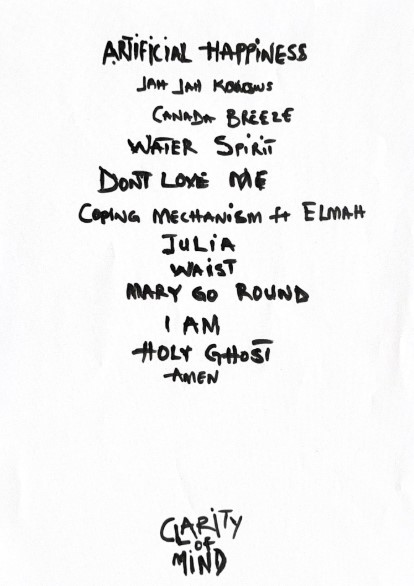
The journey begins with “Artificial Happiness,” where cinematic basslines collide with a startling confession: his reliance on weed not just being a vice but some a chemical supplement for his hubris, and the substance (weed/igbo) is a raconteur telling him not to stop. It’s an amazing opening song because it sets the mood for the album. My favorite part of the track is when those melodies hit after the one-minute mark, it’s like the production finally exhales. He has this uncanny ability to use his voice as an extra instrument, slurring the notes just enough to create that “weightless” sensation….That specific pocket of sound is absolute sorcery.
On “Jah Jah Knows,” we see the Port Harcourt native at his most vulnerable. The song’s instrumental features Harkat-inspired Hindu choral vocals simmering underneath those traditional drum rolls. He’s singing about losing himself in the relentless chase for legacy, even telling his love interest not to wait around because of his “higher calling.”
There’s really nothing special about his performance on this song, or even impressive. It’s just there, but things do get interesting on the two-track sequence of Canada Breeze and Water Spirit. The album finds its true pulse in tracks like “Canada Breeze,” which begins with jagged drums and a line that lands like a punch: “Fly from January to January/Still I never reach.” It’s a moment of pure confidence where the depression lifts, and we like to see the Omah Lay who actually brings the good vibes around with a blend of highlife and gyration. “Water Breeze” dances around themes of sex, intimacy shared in a spiritual way.
You May Also Like: Omah Lay is Transforming Album Rollouts with Bold Fashion Moves
However, the pursuit of glory is a torturous path, and Clarity of Mind often feels like a savant walking in circles. The central tension of the album lies in Omah’s inability to settle in on a theme. In “Julia,” he trades his usual sonic palette for a folk-rock mash-up that, while daring, lacks the “breakup” gravitas needed to anchor his loneliness on this song where he sets to celebrate a Grammy win with his babe, only to walk away with ghostly apparitions of what could have been. Similarly, “I Am” misses the opportunity for a definitive declaration, leaving the listener with just spectacular melodies that wrap around mundane lyrics like a leather jacket on daredevil motor bikers.
Then there is “Coping Mechanism” featuring ELMAH, which provides the emotional breakthrough the album so desperately needs. ELMAH’s vocal performance acts as a lighthouse in Omah’s foggy sea, offering companionship as the ultimate antidote to his despair. I think Elmah has this semblance to Billie Eilish vocals and aesthetics, I’m looking foward to hearing more from her.
The project closes with the Tempoe-produced “Amen,” a thumping track pierced by heavenly vocals and Amapiano elements. Omah replaces his musings on glory with a plea to God for financial security. It is a manifestation of what he desires: more money, Louis Vuitton merch, and, of course, clarity of mind.
You May Also Like: Ayo Benzi Turns The Screen Into A Stage
Clarity of Mind is a beautifully flawed, indecisive, and hauntingly human project. It offers brief sparks of ingenuity here and there, venturing into various territories to make it a sonically expansive body of work. However, it often revisits familiar themes of survivor’s guilt with less nuance than before. Most of its tracks keep revisiting the same thing from different angles (nothing works anymore, but he keeps trying it all anyway). It’s not quite the monumental “second coming” some expected after a four-year wait, but Omah Lay remains one of Nigeria’s most gifted and complicated artists of our time with this add-on to his discography.
Favourite tracks: Canada Breeze, Don’t Love Me & Artificial Happiness
Rating: Solid 7.2/10
Omah Lay's Clarity of Mind Album Review