
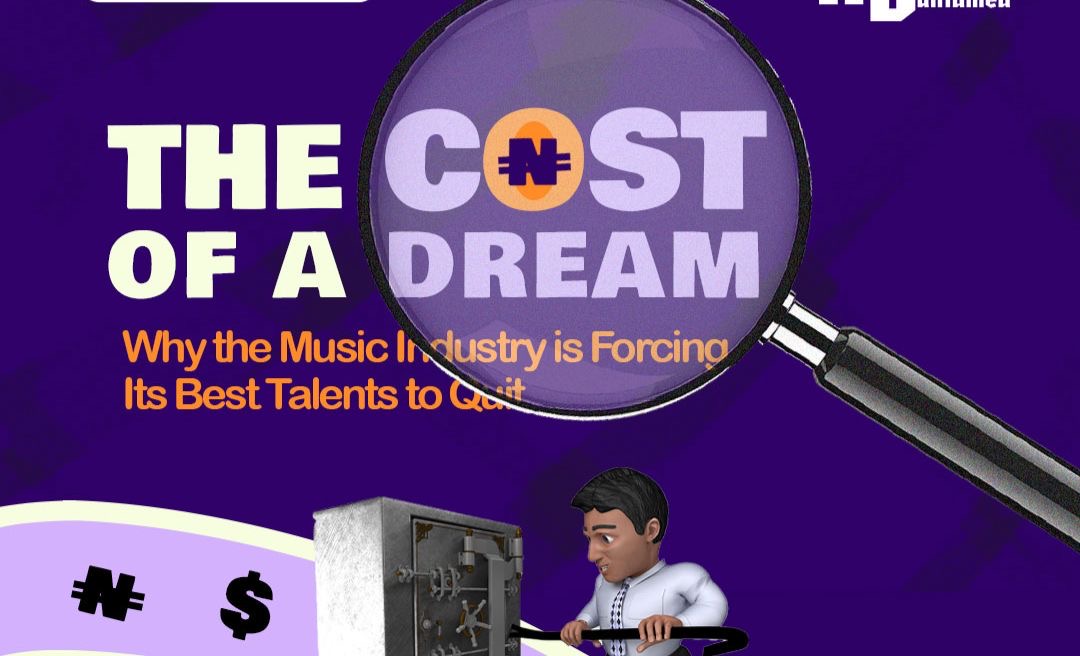

For decades, we’ve romanticized the “struggling musician.” We bought into the narrative that if they just worked hard enough, hustled and were consistent, and caught one lucky break (one day you go blow core), the world would eventually be theirs.
But in 2026, we see that romanticism has curdled into a grim reality. We aren’t just seeing a few disgruntled hobbyists; we are witnessing a full-blown epidemic of talented artists and creators throwing in the towel. From rising stars to the technical wizards behind the boards, the industry is no longer just “tough” it’s becoming financially impossible.
The Math Simply Doesn’t Add Up
The barrier to entry for music has never been lower, but the cost of staying in the game has never been higher.
Take, for instance, the recent viral frustration from artist Fimi. She laid it out plainly: the cost of production and promotion is becoming a mountain most can’t climb. It’s not just about the music anymore; it’s about the mixing, the mastering, the digital marketing, the content creation, and the endless “pay-to-play” ecosystem of social media. When the overhead of a single song exceeds the potential streaming revenue of a million plays, we have a systemic failure.
The 9-to-5 Safety Net is No Longer a Joke
There used to be a stigma around “giving up” and getting a corporate job. That stigma is dying, replaced by a desperate need for stability.
You May Also Like: Kemuel Kicks Off 2026 With New Single “Ovah,” Launching a New Project Era
Artist Sewa recently sparked a massive conversation when she admitted that if things don’t turn around, she’s heading back to a 9-to-5. This isn’t a lack of passion; it’s a pragmatic response to an industry that demands 100% of your soul but offers a 0.01% return on investment for the average indie act. When “making it” still leaves you unable to pay rent or afford your next meal, the allure of a steady paycheck and health insurance starts to look a lot more like a dream than a defeat.
When the Architects Leave, the House Collapses
Perhaps the most heartbreaking symptom of this epidemic isn’t just the singers leaving, it’s the backbone of the industry breaking.
We recently saw a gut-wrenching video of a producer selling off his studio equipment just to make ends meet. Bro, when producers, like the literal architects of the culture can’t afford to keep their lights on, then we are looking at a future where only the ultra-wealthy can afford to make art. Mavo was really a philanthropist because there’s really no way for ‘poor people.’
Why Should We Care?
If we continue down this path, music will become a playground for the “trust fund” artist. We will lose the raw, gritty, and diverse voices that come from the margins because those voices can no longer afford the “entry fee.”
We are currently gaslighting artists, telling them to “just create content” and “stay consistent,” while the platforms they build their brands on take the lion’s share of the profit.
So this epidemic of independent new artists quitting is a loud, clear signal that the music industry’s current model is a sinking ship. If we don’t find a way to make the middle class of music sustainable, we aren’t just losing songs; we’re losing the culture itself.
To the artists feeling like Sewa or the producers selling their gear: We see you. It isn’t your lack of talent. The system is just broken.